
Emergency Roof Tarping: Why Immediate Protection After Storm Damage Matters
March 16, 2026

Severe storms can cause significant damage to homes and businesses in a matter of minutes. High winds, falling branches, hail, and flying debris can tear shingles away or puncture roofing materials, leaving your property exposed to rain and further damage.
When this happens, emergency roof tarping is one of the most important first steps in protecting your property until permanent repairs can be completed.
At Back to Normal Restoration Group, our mission is simple: get your property back to normal as quickly as possible through urgency, honesty, and reliable service. Emergency tarping plays a critical role in that process.
What is Emergency Roof Tarping?
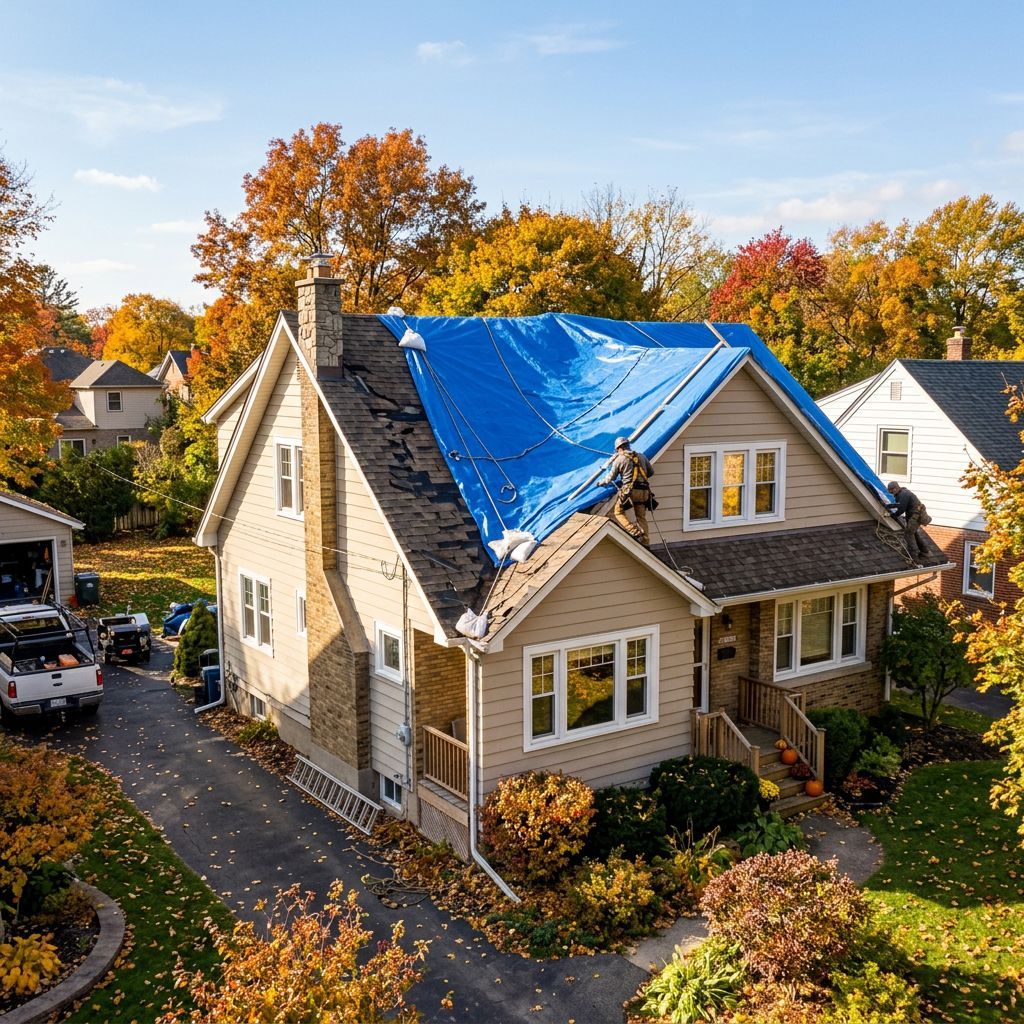
Emergency roof tarping is a temporary protective measure used to cover damaged areas of a roof after storms, wind damage, or structural impact.
Heavy-duty tarps are securely fastened over exposed sections of the roof to prevent water, debris, and weather from entering the property until professional repairs can be completed.
Emergency tarping is commonly needed after:

• Wind storms
• Fallen tree limbs or debris
• Hail damage
• Fire-related roof damage
• Severe weather events
• Structural collapse or roof punctures
Without immediate protection, even a small opening in your roof can quickly lead to major interior damage.
Why Immediate Roof Protection Is Critical
When a roof becomes compromised, the biggest risk is not always the initial damage—it’s what happens afterward.
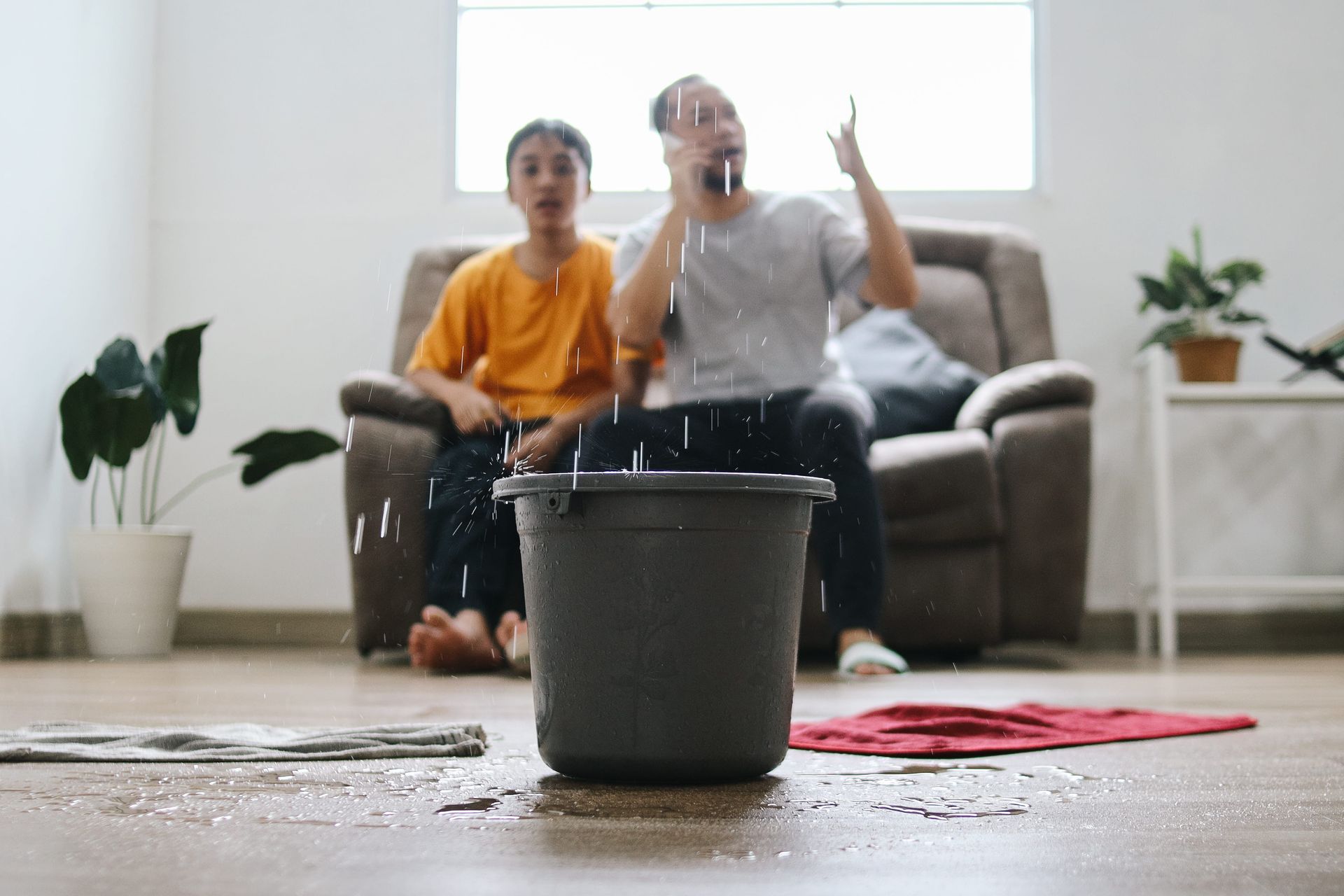
Rainwater entering your home can quickly cause:
• Ceiling collapse
• Insulation damage
• Mold growth
• Electrical hazards
• Structural weakening
• Interior water damage
That’s why many homeowners contact professionals for emergency storm damage restoration as soon as roof damage occurs.
Installing a tarp quickly can significantly reduce the extent and cost of the damage.
How the Emergency Tarping Process Works
Professional emergency tarping requires more than simply placing a tarp over the roof. Proper installation ensures the tarp can withstand wind and weather until permanent repairs are made.
A typical emergency tarping process includes:
1. Damage Assessment
The first step is identifying the extent of roof damage and determining the areas that require immediate protection.
2. Debris Removal
Loose shingles, broken materials, and debris are carefully cleared away to ensure the tarp sits securely against the roof.
3. Reinforced Tarp Installation
Heavy-duty waterproof tarps are installed and secured using proper fastening techniques to prevent wind from lifting them.
4. Interior Protection
If water has already entered the home, steps may be taken to mitigate interior damage and begin the drying process.
When Should You Call for Emergency Tarping?
Many homeowners are unsure when tarping is necessary. If you notice any of the following signs after a storm, it’s best to call a restoration professional immediately.
Signs you may need emergency tarping include:
• Missing or lifted shingles
• Visible holes in the roof
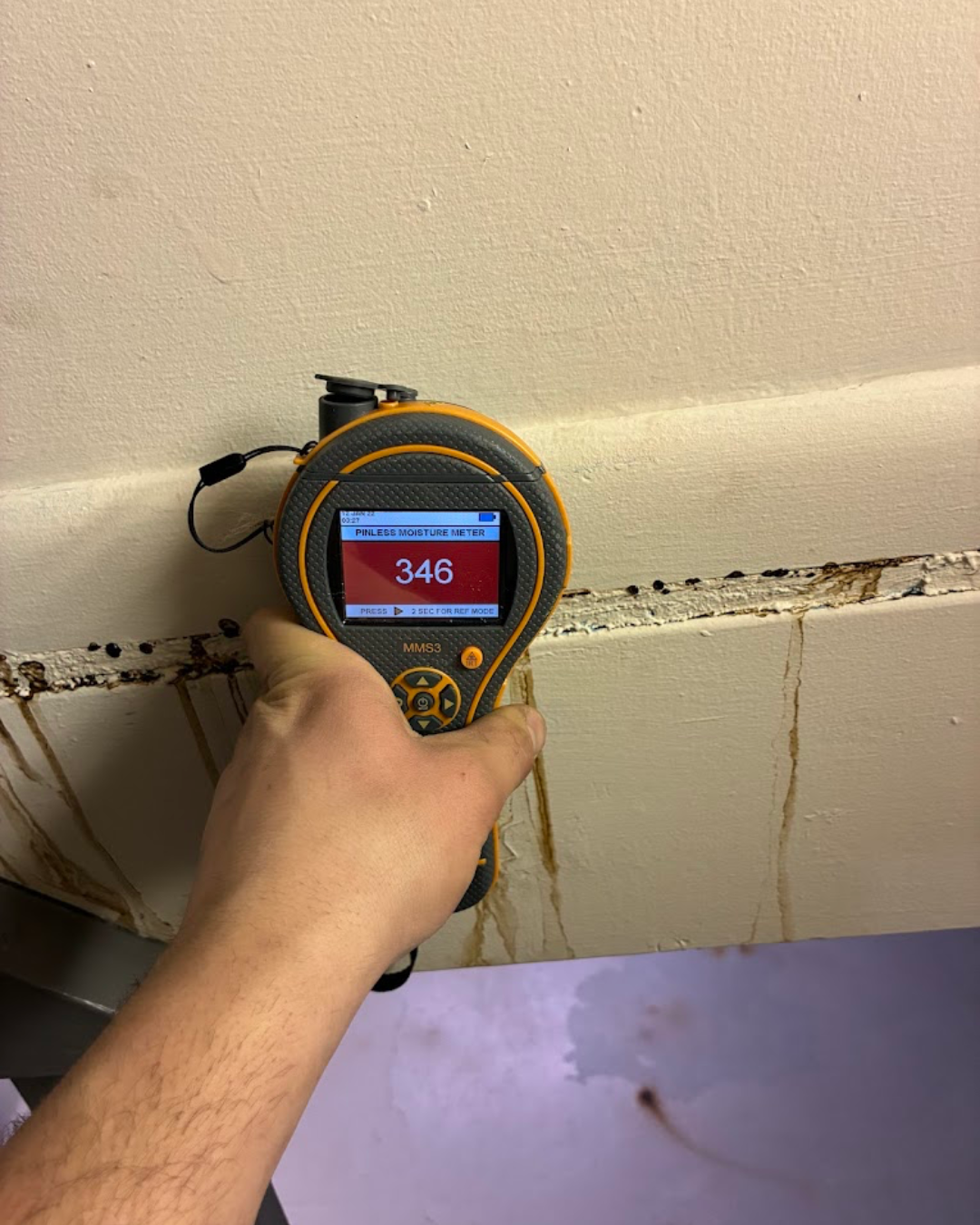
• Water leaking into ceilings or walls
• Tree limbs or debris on the roof
• Exposed plywood or underlayment
• Interior water stains after storms
Even if the damage appears minor, storm damage can worsen quickly with additional rain or wind.
Insurance and Emergency Roof Tarping
Many homeowners insurance policies cover emergency tarping because it helps prevent additional damage to the property.
Insurance companies often expect property owners to take reasonable steps to mitigate further damage, and installing a tarp is one of the most common measures.
Professional restoration companies can often assist with documentation and photos needed for insurance claims.
Why Professional Tarping Is Safer
Climbing onto a damaged roof can be extremely dangerous, especially after storms when surfaces may be wet, unstable, or structurally compromised.
Professional crews are trained to safely install emergency tarps while properly securing the damaged area.
Working with experienced restoration professionals ensures:

• Proper installation
• Safe working conditions
• Weather-resistant protection
• Documentation for insurance claims
• Faster restoration planning
Emergency Response When Storms Strike
Roof damage can be stressful and overwhelming, but immediate action helps protect your property and reduce further loss.
Emergency tarping provides critical short-term protection while restoration professionals develop a long-term repair plan.
If your home or business has experienced storm damage, taking action quickly can save time, money, and significant stress.
If your roof has been damaged by wind, hail, or falling debris, emergency tarping can prevent costly interior damage. Call BTN Restoration Group now at 330-618-5321 for fast emergency tarping and storm damage response.
Need Assistance Now?
Stay Prepared
Helpful restoration tips from our team — no spam, just value.
Contact Us
We will get back to you as soon as possible.
Please try again later.
SHARE THIS