

Hidden Water Risks in Medina, OH Historic Homes: What You Need to Know
July 13, 2026

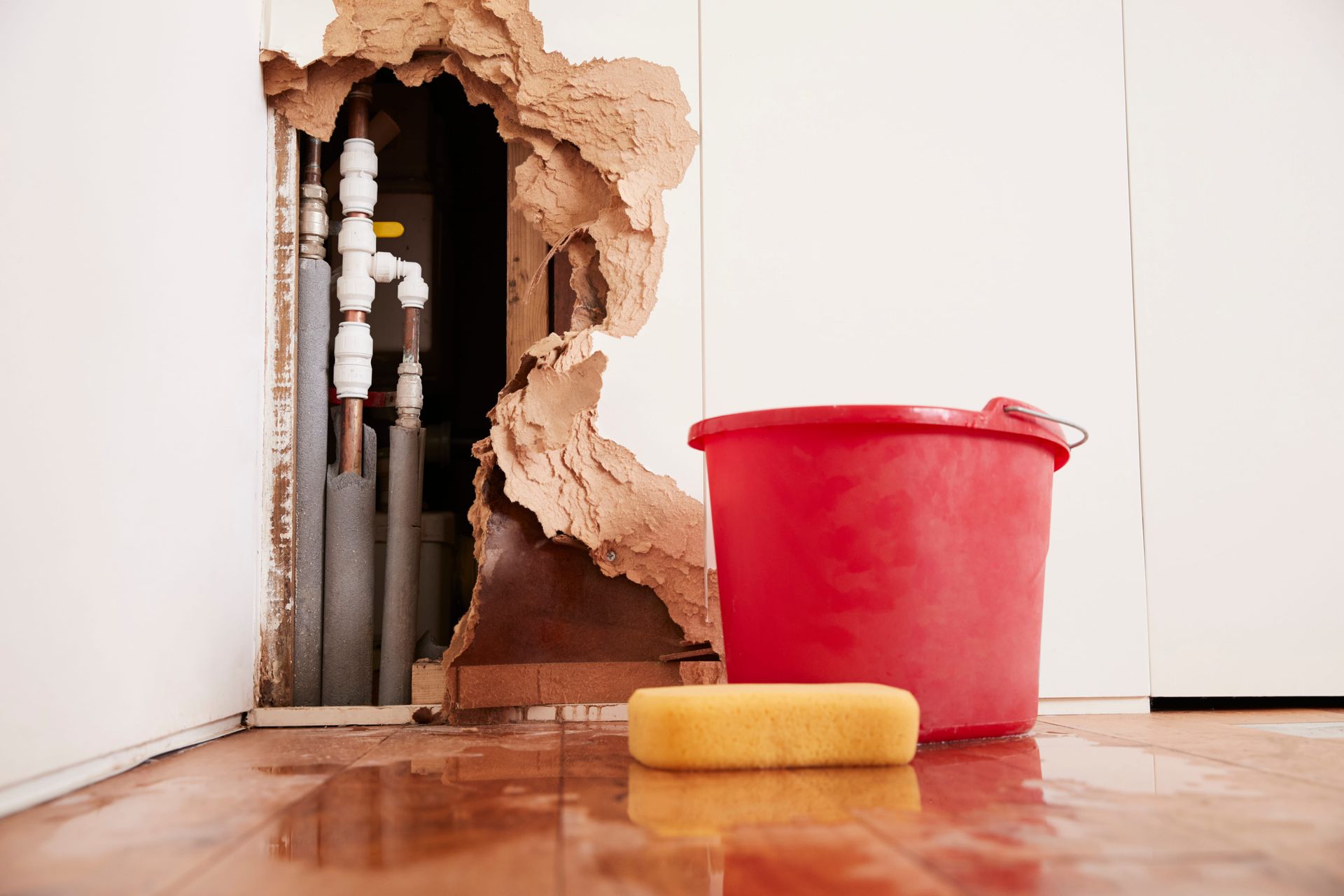
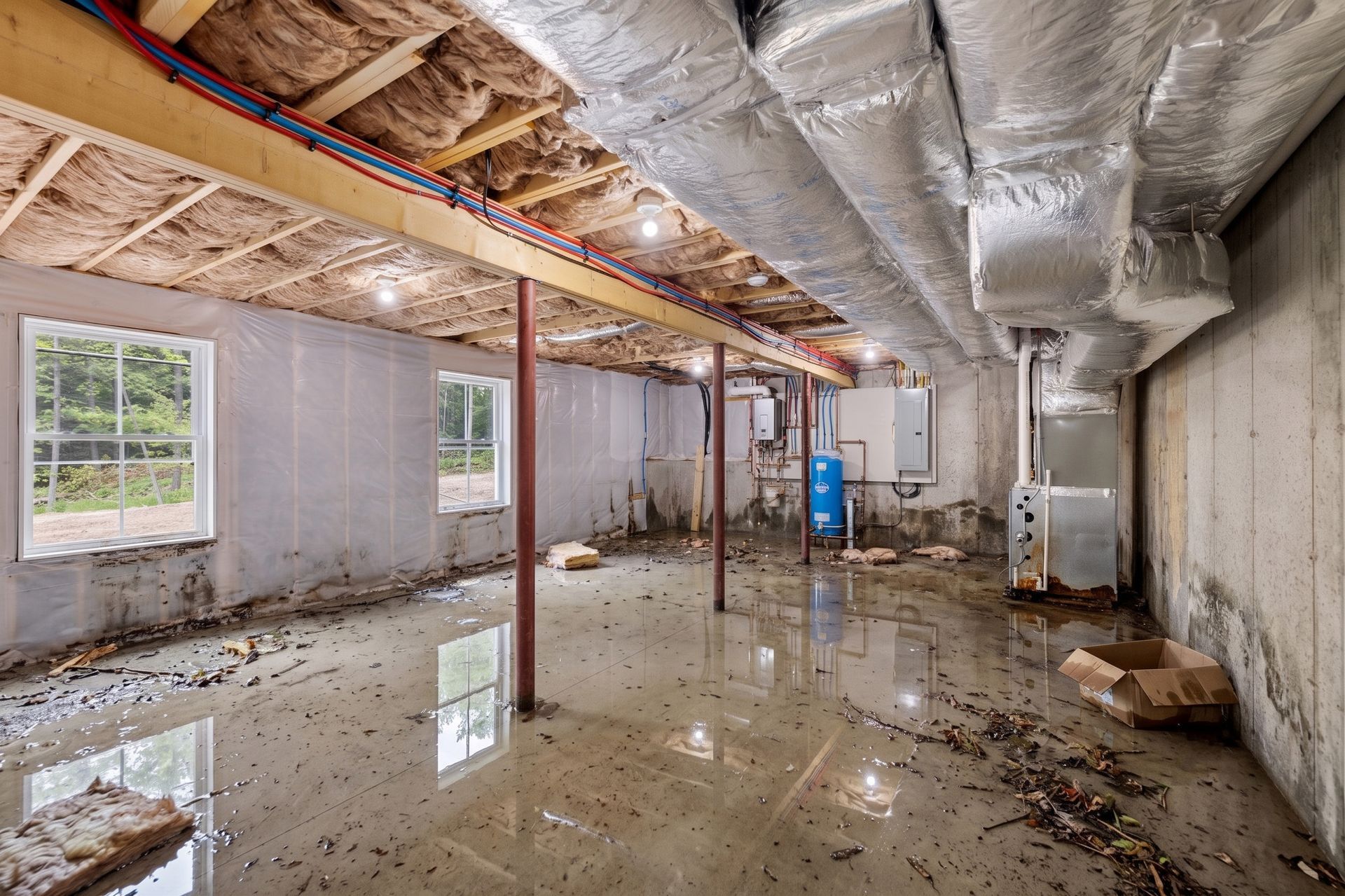
Owning a historic home in Medina, OH, is a point of pride. From the beautiful architecture near the Square to the timeless craftsmanship of Victorian-era builds, these homes were built to last. But when heavy Ohio rains hit or an aging pipe leaks, that same historic craftsmanship can trap moisture in ways modern homes simply don't.
Water damage in an older home requires a completely different approach. Guesswork can lead to ruined original features or hidden mold. At BTN Restoration Group, we follow strict IICRC standards to ensure your piece of Medina history is preserved and safely returned Back to Normal.
Why Older Homes Hide Water Damage Differently
If you live in a newer build in Brunswick or Strongsville, water damage usually involves modern drywall. Drywall absorbs water quickly, but it also shows damage relatively fast. Historic homes are different.
Here is why historic materials require specialized care:
Plaster and Lath Walls: Unlike modern drywall, historic plaster is thick and applied over wooden lath. This creates air gaps inside your walls. Mold spores don’t just grow on the surface of plaster; they wick inward and hide in those cavities.
Class 4 Specialty Drying: In the restoration industry, wet plaster, brick, and fieldstone are considered "Class 4" water intrusions. This means the moisture is deeply trapped in low-porosity materials. It requires specialty drying equipment and careful monitoring—not just setting up a few fans.
Hidden Moisture Pockets: Because plaster is so durable, water can sit behind it for weeks without showing a stain. By the time you see it, the structural wood beneath might already be compromised.
Warning Signs of Hidden Moisture in Plaster
Because you can't always see the water, you have to look for the secondary signs. Watch out for:
- Chalky white powder: Known as efflorescence, this appears when water travels through plaster or brick, leaving mineral deposits behind on the surface.
- Sagging ceilings: Plaster is heavy. When the wood lath behind it gets saturated, the plaster keys can break, causing a visible droop.
- Peeling paint or wallpaper: Moisture pushing from the inside out will cause wall coverings to bubble or peel.
- A persistent musty odor: If a room smells damp even when it feels dry, you likely have trapped moisture in the wall cavities.
What to Do Right Now: Emergency Steps
If you suspect a leak or just discovered standing water in your historic home, do not panic. Follow these steps to protect yourself and your property:
- Stop the Source:
If the water is coming from a plumbing issue, locate your main water shut-off valve immediately.
- Safety First:
If standing water is near electrical outlets, turn off the power to that room at the breaker box.
- Do Not Drill Holes:
A common DIY tip is to drill holes in wet drywall to let water drain. Do not do this with historic plaster. It can cause the plaster to crack and crumble unnecessarily.
- Call an Expert: Contact a certified restoration professional who can map the moisture without destroying your walls.
The BTN Restoration Approach: Science, Not Guesswork
When dealing with a historic property, demolition should always be the last resort. You want to save the original trim, the hardwood floors, and the plaster whenever safely possible.
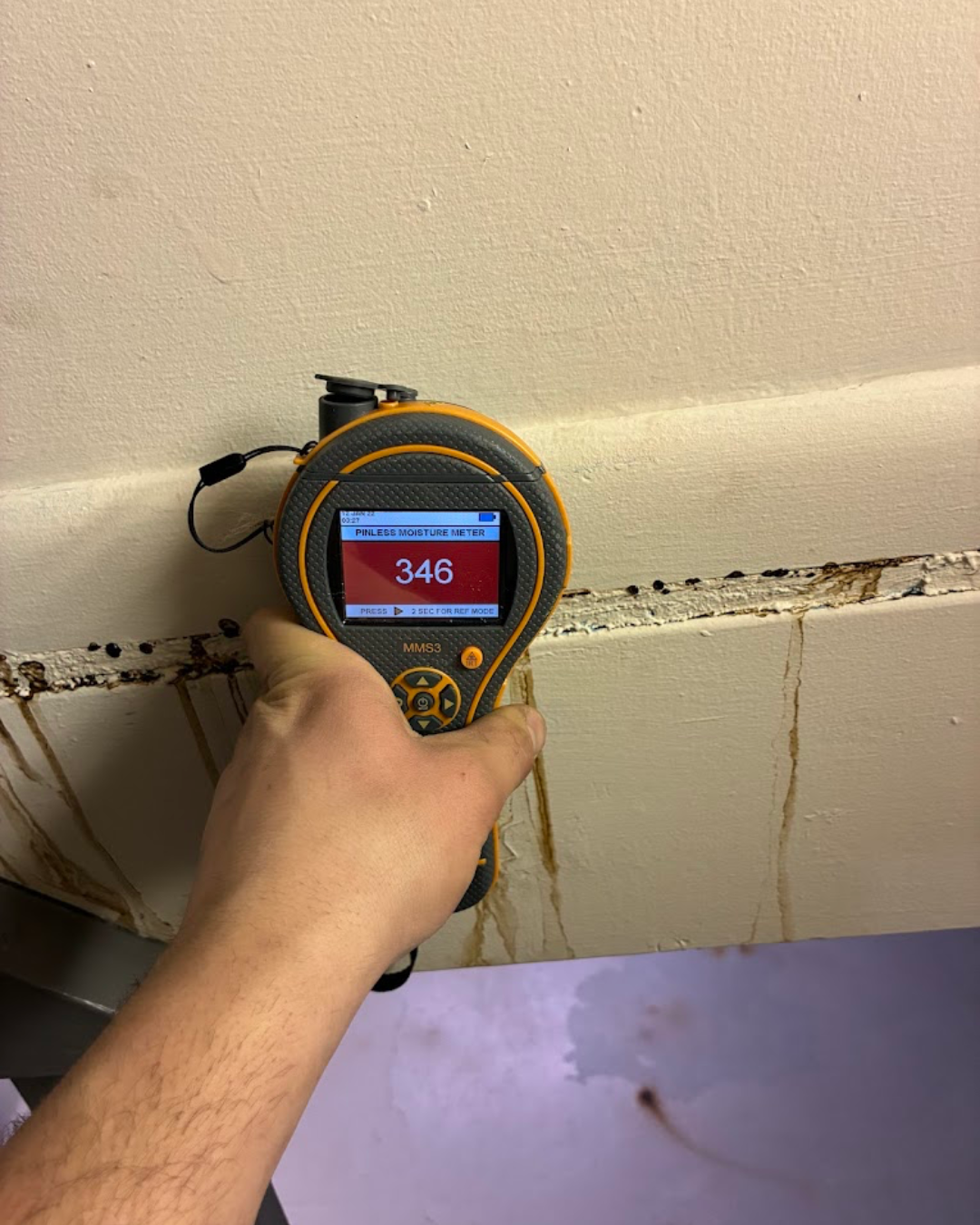
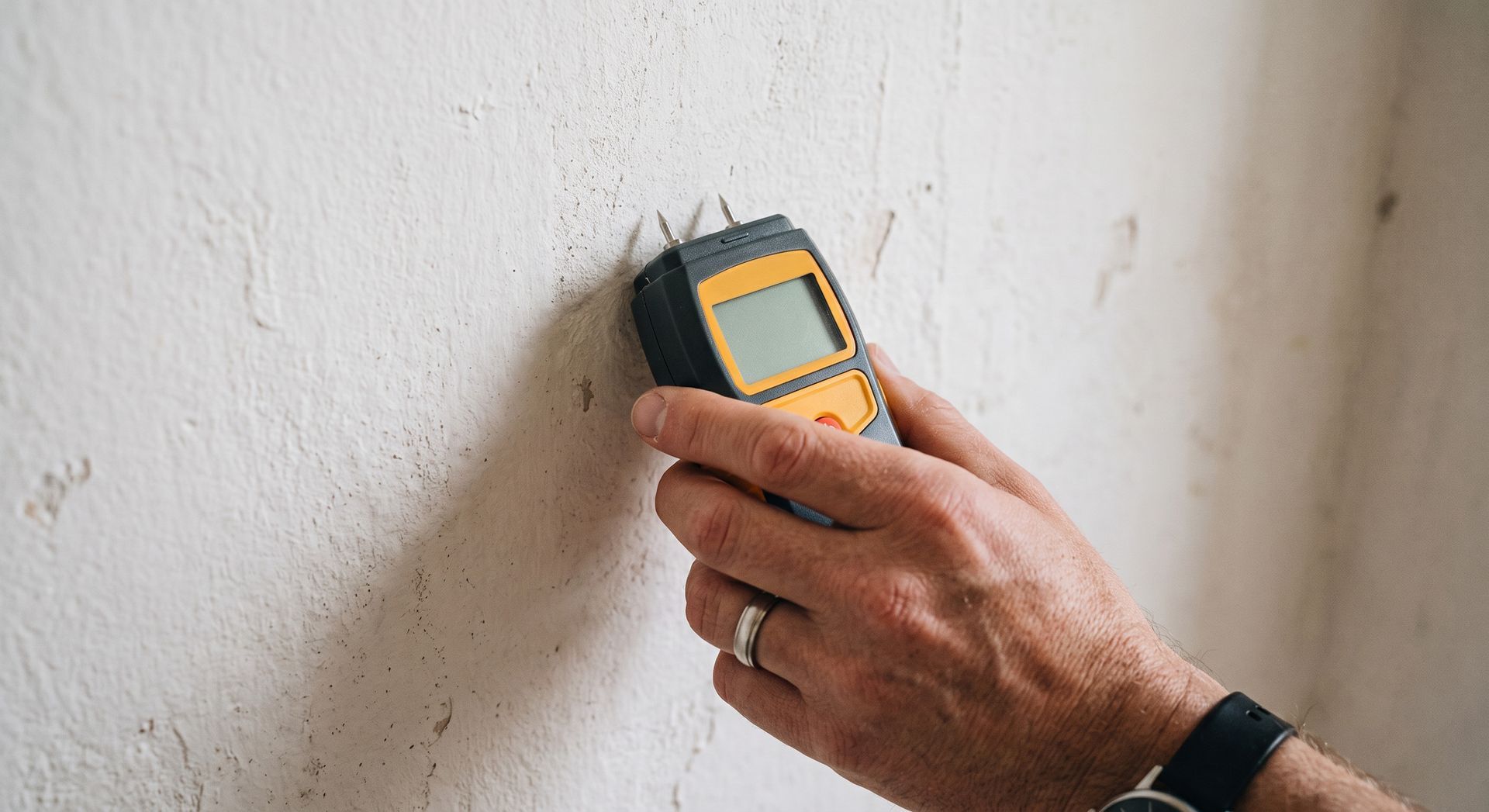
At BTN Restoration Group, we don't guess where the water went. We use advanced thermal imaging and moisture mapping to “see” inside the walls of your Medina home. Once we know exactly where the water is, we create a precise, IICRC-certified drying plan using targeted dehumidification to pull the moisture out of the wall cavities.
Our process is clear: Inspection -> Clear Plan -> Execution -> Back to Normal.

Don’t let hidden moisture compromise your home's history or your family's health. If you suspect water damage, get the facts before the damage spreads.
Call (330) 618-5321 or Request a Free Inspection today.
Can wet plaster be saved after a leak?
Yes, in many cases, wet plaster can be saved if dried promptly. Because plaster is durable, it often withstands clean water exposure better than drywall. However, it requires professional Class 4 drying techniques to ensure the wall cavity behind it is completely dry to prevent mold growth.
How quickly does mold grow behind wet plaster?
Mold can begin to develop in the dark, damp cavities behind plaster and wooden lath in as little as 48 to 72 hours after a water intrusion. Immediate professional mitigation is crucial to stopping the spread.
Will my homeowners insurance cover water damage in an older home?
Most standard homeowners policies cover sudden and accidental water damage (like a burst pipe or appliance failure), regardless of the home's age. BTN Restoration works directly with insurance adjusters, providing detailed documentation to help streamline your claim process.
Do you serve areas outside of the Medina city limits?
Yes. While we have deep roots in Medina, BTN Restoration provides fast, 24/7 emergency response throughout Medina County and surrounding areas, including Brunswick, Strongsville, Akron, and Seville.
Need Assistance Now?
Stay Prepared
Helpful restoration tips from our team — no spam, just value.
Contact Us
We will get back to you as soon as possible.
Please try again later.
SHARE THIS